
Virginia’s Trusted
Drayage Partner
Our staff has a solid background in North American intermodal transportation. Century Express Virginia has financial bonds in place with the railroads to interchange and utilize rail owned equipment. Furthermore, as a UIIA member, we interchange containers with all ocean carriers and chassis providers to service our IMC and 3PL customers.
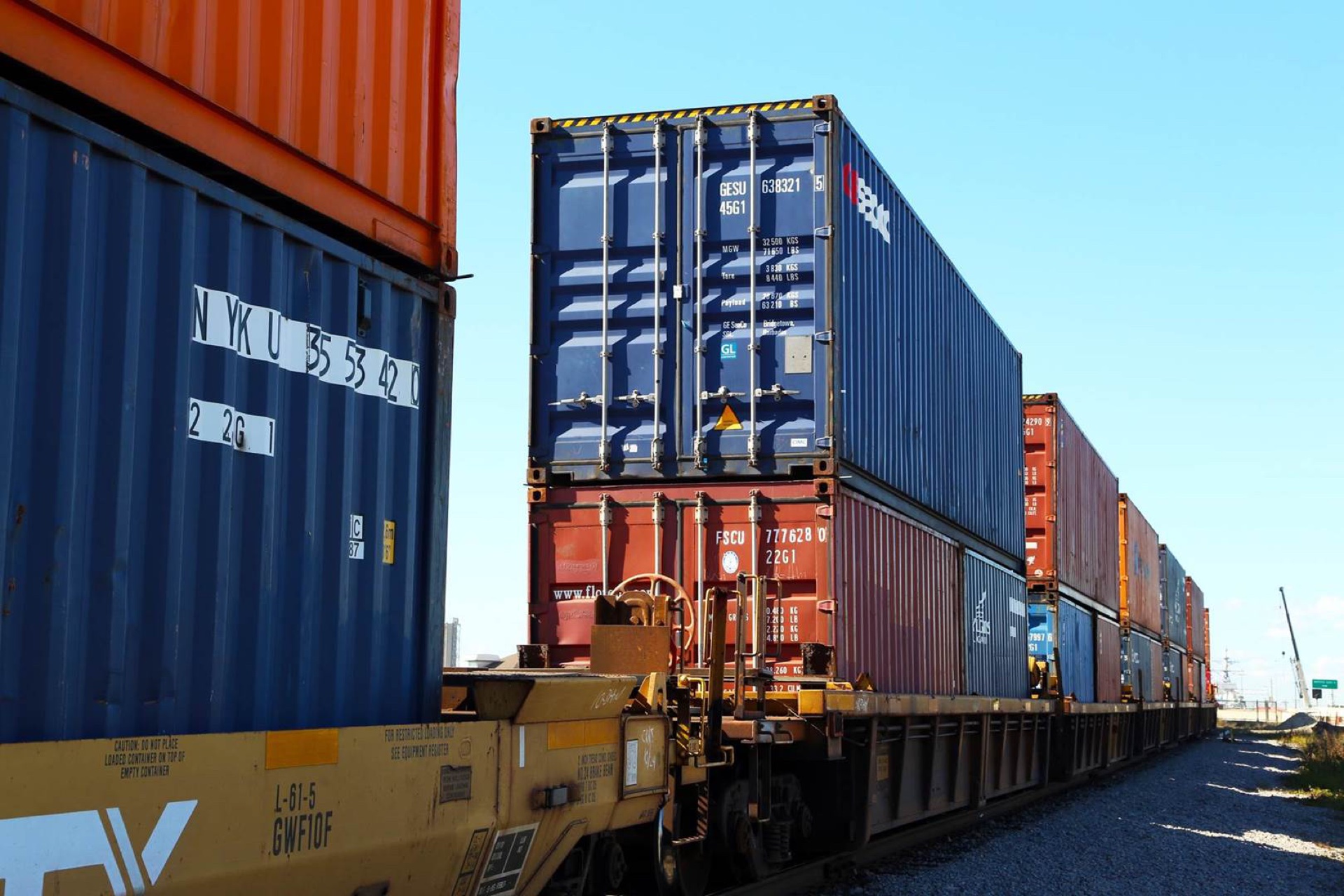
A Premier Drayage Carrier at the Port of Virginia
Rail drayage is often the most cost-effective and reliable solution within a supply chain. We offer drayage services to move your freight safely, quickly, and without damage. Century Express Virginia is here to assist you in the movement of your container to and from the rail yard.
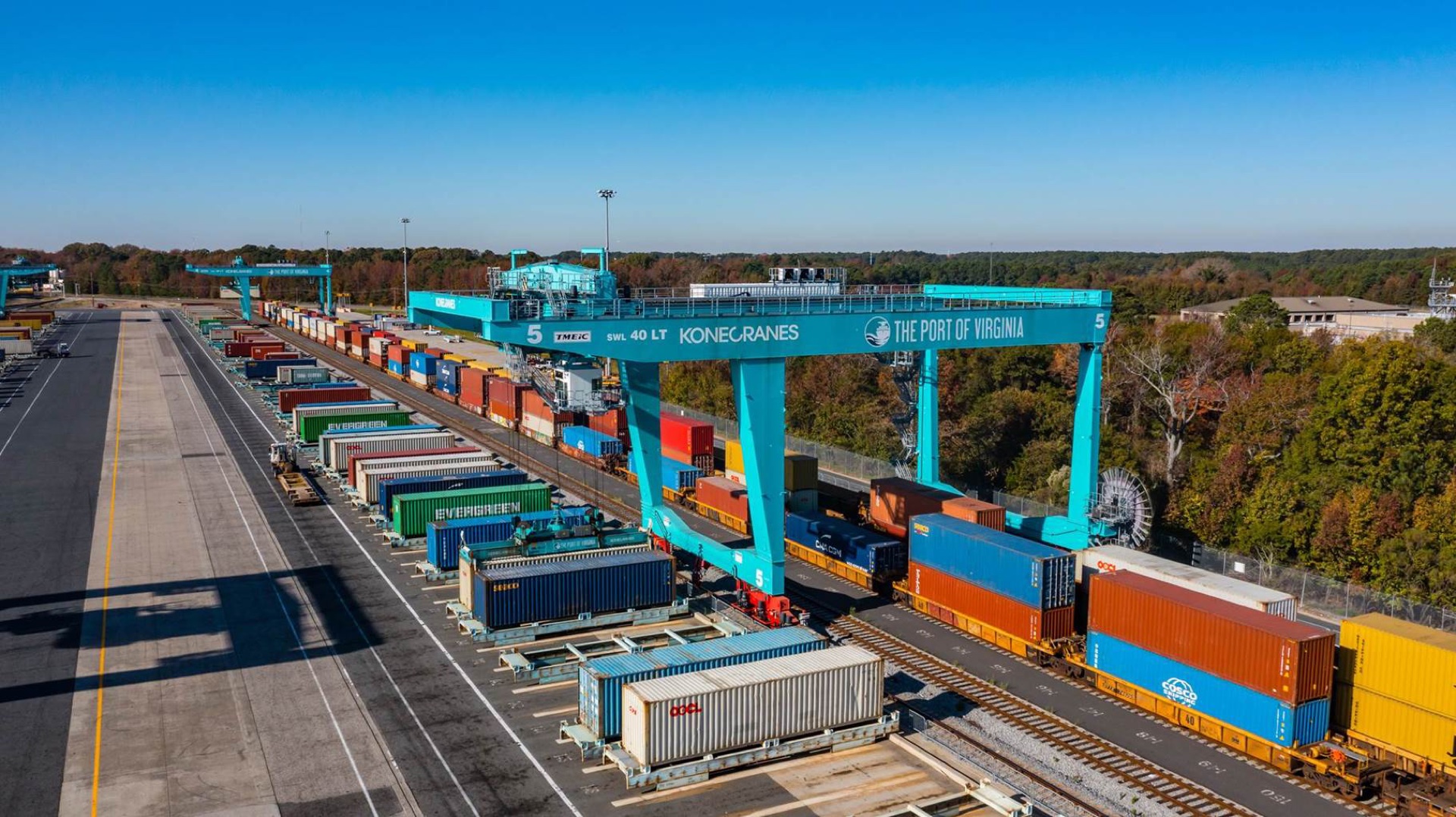
Trusted Carrier
Having your port drayage handled by a trusted carrier can make a difference not only in how quickly your freight moves, but also in your peace of mind throughout the entire shipping process. Our team ensures safety and speed every day.
Complete Coverage
Let Century Express Virginia handle all your container trucking needs within the Port of Virginia—from standard containers to refrigerated and hazmat cargo. We provide the comprehensive support your logistics strategy requires at all times.
Forecasting
From planning to forecasting, Century is here to assist you with moving your freight efficiently and on schedule. We work closely with your team to ensure every container reaches its destination without any delay or logistics disruption.
Our Full Range of Services
Beyond port drayage, we offer a comprehensive suite of transportation and logistics services. Select a service to learn more:
Port Drayage
Standard container transport to and from marine terminals.
Rail Drayage
Container movement between rail yards and final destinations.
Heavy Cargo
Overweight permits and heavy haul logistics expertise.
Transloading
Efficient transfer of cargo between containers and trailers.
Refrigerated Drayage
Climate-controlled transport for temperature-sensitive cargo.
Hazmat Drayage
Certified handling of hazardous materials with full compliance.
Specialized Equipment
Flatbeds, step decks, and triaxles for non-standard loads.
Yard Storage
Secure container storage at our facility when you need flexibility.
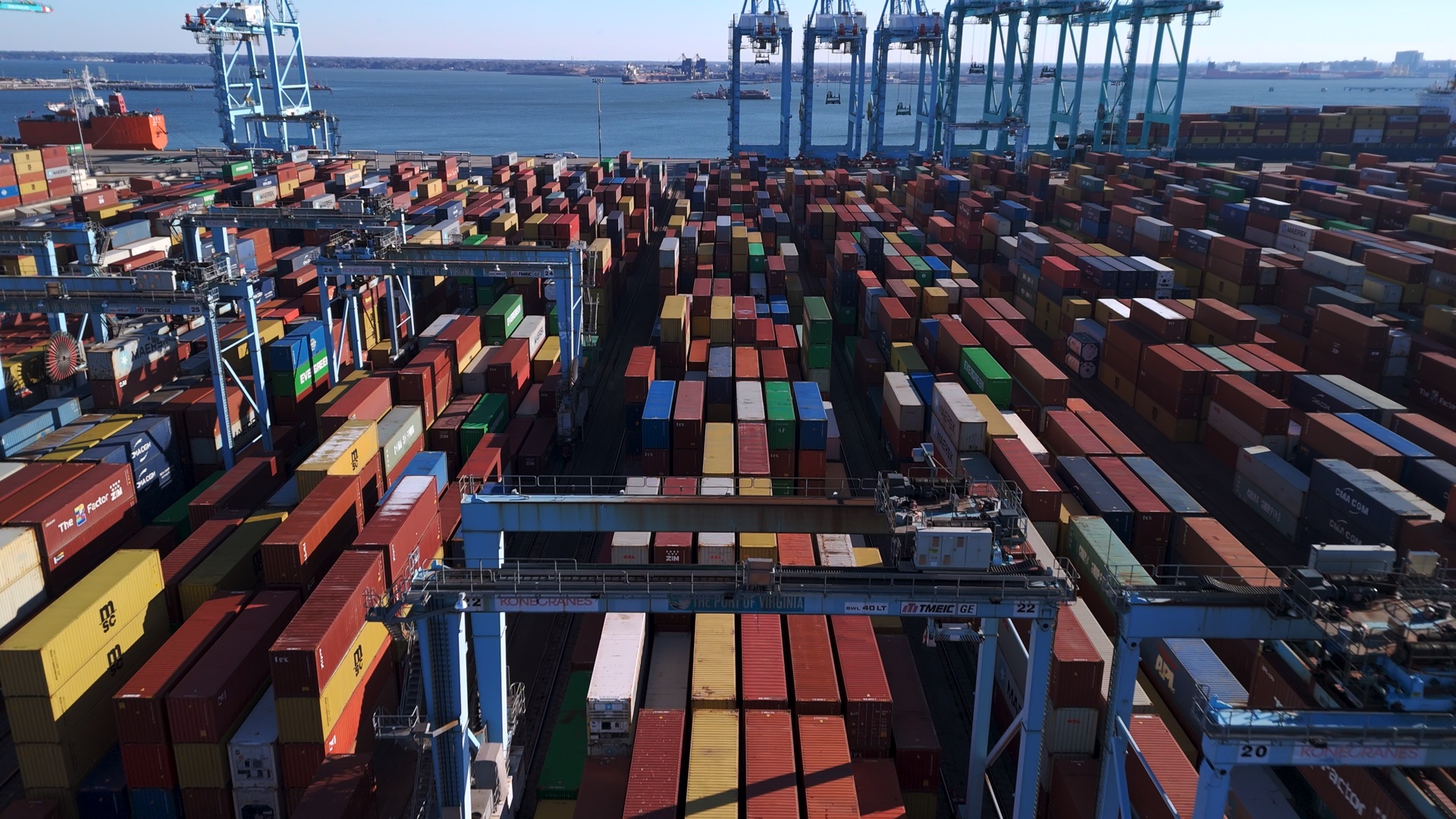
Why Choose Century Express Virginia
Experience, reliability, and a commitment to your success set us apart.
Terminal Relationships
Our twenty years of terminal rapport helps us resolve delays. We navigate the Port of Virginia with total ease.
Cargo Expertise
From consumer goods to heavy machinery, we handle it all. We use specialized equipment to keep your cargo safe.
Planning
We forecast volumes and plan for peak seasons. Our strategy ensures your supply chain always moves smoothly.
On-Time Delivery
We prioritize your schedule to ensure efficiency. Our commitment means your containers arrive exactly as planned.
Equipment & Capabilities
We maintain a diverse fleet to handle any container drayage need.
Triaxle Chassis
20' & 40' Containers
Flatbeds & Step Decks
Heavy Haul Capable
Refrigerated Units
Overweight Permits
Rail Drayage FAQ
Everything you need to know about rail drayage services.
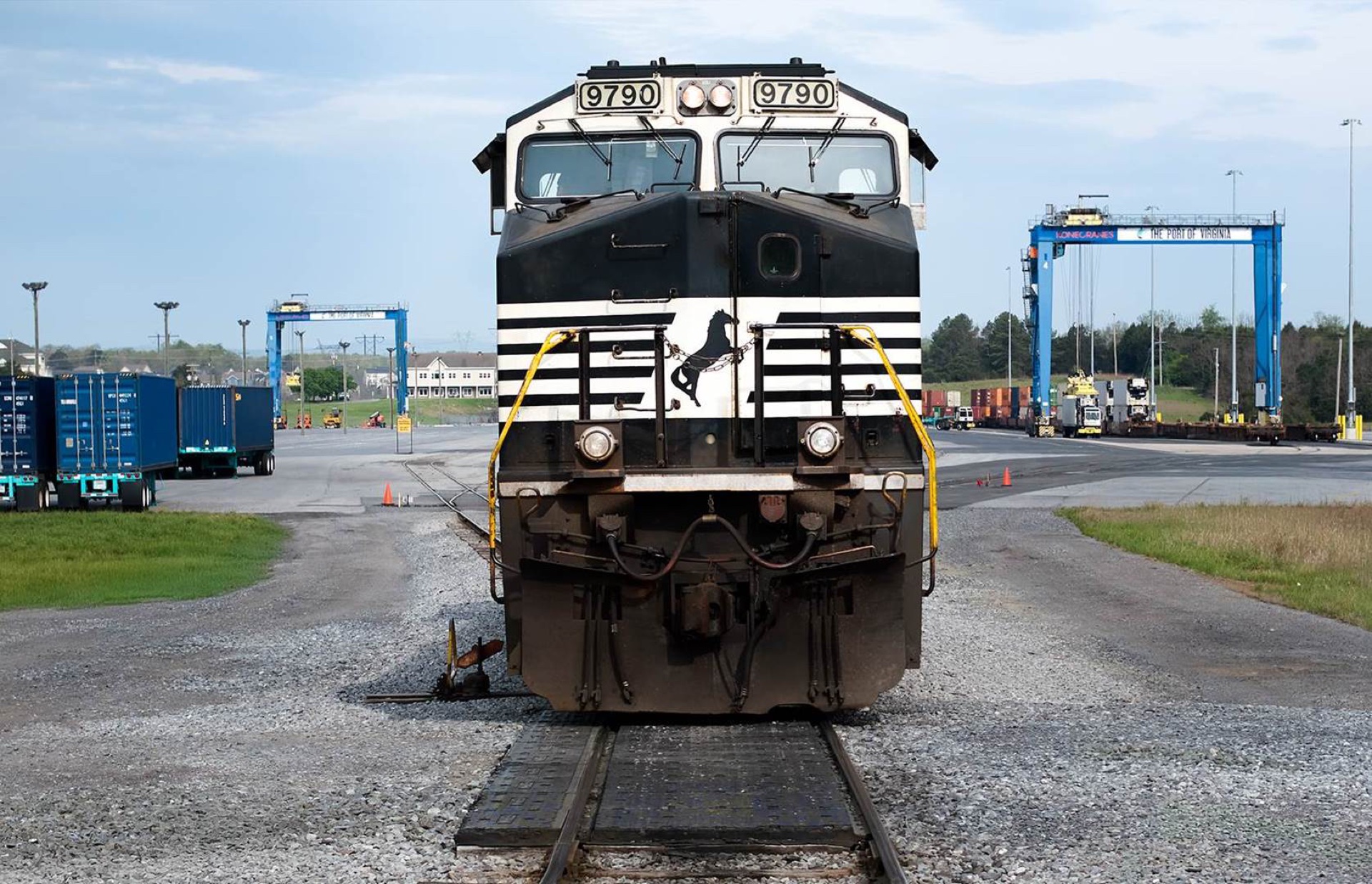
What Is Rail Drayage?
Rail drayage is a logistical term for transporting materials from rail yards to specified destinations. Rail drayage services provide sophisticated solutions to ensure the seamless flow of goods throughout the transportation process.
Example of rail drayage: A shipment of iPads arrives at the Port of Virginia. Drayage trucks pick up the iPads and deliver them to an intermodal terminal, where materials are loaded onto a train heading for St. Louis, MO. Once the materials arrive at the St. Louis rail terminal, drayage trucks deliver the shipment to several distribution warehouses.
What Is Intermodal Transportation?
Moving goods using multiple modes of transportation — ships, trains, cargo planes and trucks — is called intermodal transportation. This logistical system employs special containers that can be transferred between different transport modes without human intervention. Intermodal transportation is a cost-effective and time-saving method for increasing supply chain flexibility.
Why Is Rail Drayage Important in Intermodal Transportation?
Rail drayage serves as an exceptionally reliable strategy for optimizing supply chain management. By facilitating the transportation and movement of goods among railroads, ports and warehouse distribution facilities, rail drayage leverages the dependability and cost-effectiveness of rail transport with the versatility of last-mile delivery trucking.
What Types of Goods Can Rail Drayage Transport?
A comprehensive variety of materials, such as consumer products, vehicles, chemicals, and construction commodities can be transported by rail drayage, however cargo such as hazardous materials, live animals or fragile items may be subject to compliance regulations that require an alternate logistic process.
Common goods relying on rail drayage for reliable transportation include:
- Pulp/paper products
- Furniture
- Appliances
- Agricultural products
- Packaged foods and beverages
- Recyclable materials
- Retail merchandise
What Are the Key Elements of an Excellent Rail Drayage Service?
Professional rail drayage services should provide the following:
- In-depth knowledge of advanced freight logistics
- Experience with container transport technology and protocols
- Industry familiarity with unloading and loading containers efficiently and in compliance with regulatory guidelines
- Guarantees last-mile delivery will be completed as promised
- Expertise with transloading (transferring materials between various transportation modes)
What Is a Container Chassis, and How Is It Used in Rail Drayage?
Transporting shipping containers requires the assistance of a specialized trailer called a container chassis. Usually equipped with twist locks or similar devices to prevent containers from shifting during transport, container chassis may have adjustable axles to distribute heavy weights evenly and improve mobility.
Container chassis are instrumental in supporting the consistent movement of containers between transportation modes. Without them, an intermodal transportation system would be hampered by logistical interruptions and operational inefficiencies.
How Do Freight Forwarders Assist in Rail Drayage?
Logistic experts, also known as freight forwarders, manage product transportation across various modes, including the rail system. Freight forwarders assigned to a rail drayage project are essential for arranging and finalizing transportation strategies, handling documents, adhering to compliance regulations and guaranteeing shipments arrive on time to their destination.
What Role Does Technology Play in Rail Drayage Services?
The best rail drayage services utilize the following technologies to ensure customers receive optimal results:
- GPS tracking of trucks and containers
- Electronic data interchange for facilitating communication between supply chain entities
- State-of-the-art transportation management systems that assist with managing schedules, coordinating deliveries and developing the fastest routes possible
- Expediting entries and exits at terminals with automated gate systems
- Remote monitoring of container temperatures and humidity levels with IoT sensors
Other types of advanced technologies may be used by rail drayage services depending on customer needs and expectations.
How Does Rail Drayage Handle Time-Sensitive or Perishable Products?
Rail drayage providers ensure the delivery of vulnerable products by developing priority scheduling of such products, using climate-controlled containers and implementing IoT sensors. By utilizing different methods for safeguarding fragile goods, rail drayage services maintain real-time monitoring of products in case an adverse event necessitates immediate intervention.
The integration of cutting-edge technologies with the expertise of rail drayage providers enables the competent handling of urgent shipments. Product integrity is the utmost priority of the best rail drayage services, which offer transportation solutions to supply chain challenges.
What Documentation Is Required for Rail Drayage Shipments?
The most common types of documentation needed for initiating rail drayage shipments include but are not limited to:
- Delivery orders for authorizing the release of products to the intended recipient
- Bill of lading containing information about the origin, contents and destination of the shipment
- Packing lists that itemize the weight and content of each container
- Commercial invoices that describe products and assign values to the products (for international shipments)
- Interchange receipts for documenting the transfer of containers
- Customs forms for shipments being transported across country borders
- Equipment interchange agreements when using containers or container chassis
- Hazardous material paperwork describing the type, nature and origin of dangerous materials
Get in Touch
Ready to move your cargo? Contact us or request a quote below.
Phone
(757) 494-9200
Office & Norfolk
810 Ford Dr, Norfolk, VA 23523
Portsmouth Yard
3228 West Norfolk Road Portsmouth, VA 23703