
Transloading vs. Cross-Docking: A Shipper's Decision Guide
Alcoholic Beverage Logistics and Bonded Transportation
CE Dispatch
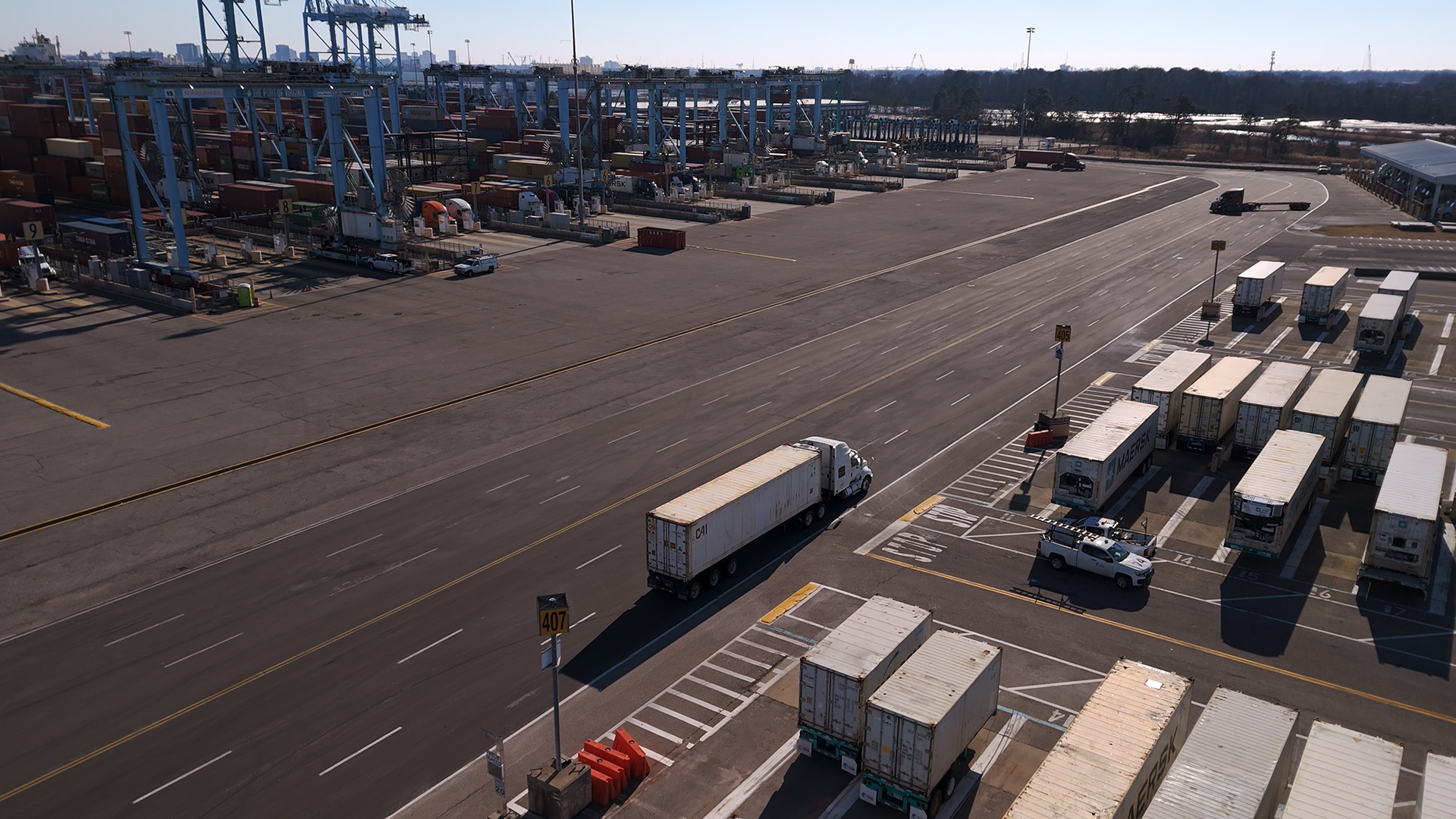
Shippers evaluating supply chain options often encounter two terms that sound similar but serve different purposes: transloading and cross-docking. Both involve moving freight between vehicles, and both can reduce costs when applied correctly. However, choosing the wrong approach for your cargo type or timing requirements can create problems instead of solving them.
Century Express Virginia provides transloading services. Understanding when transloading makes sense versus when cross-docking might be the better choice is essential for building a supply chain that performs reliably.
What Is Transloading?
Transloading is the process of transferring cargo from one type of container or vehicle to another. In port logistics, this typically means moving goods from an ocean shipping container into a domestic trailer, railcar, or different container size. The cargo is physically unloaded from its original container and reloaded into the new conveyance.
For shippers using the Port of Virginia, transloading often occurs when international containers arrive and need to continue via domestic transportation. A 40-foot ocean container might be transloaded into a 53-foot domestic trailer to maximize capacity for the inland leg. The ocean container is retrieved via port drayage, cargo is transferred at a transload facility, and the empty container returns to the port while the domestic trailer continues to its destination.
When Transloading Makes Sense
Maximizing trailer capacity. Ocean containers are 20 or 40 feet, while domestic trailers are typically 53 feet. Transloading consolidates cargo into larger trailers, reducing the number of trucks needed and lowering per-unit shipping costs.
Avoiding detention and demurrage. Steamship lines charge detention fees when containers are held beyond free time, and ports charge demurrage for containers sitting on terminal. Transloading allows quick container returns, avoiding these charges. This pairs well with yard storage when delivery schedules do not align with vessel arrivals.
Handling overweight containers. International containers sometimes exceed legal U.S. road weight limits. Transloading redistributes cargo across multiple trailers for compliance. For particularly heavy freight, working with a carrier offering heavy cargo permitting provides additional options.
Deconsolidating for multiple destinations. When one container holds freight for multiple locations, transloading allows sorting and loading onto separate trucks for efficient delivery.
What Is Cross-Docking?
Cross-docking is a logistics practice where incoming freight is unloaded and loaded directly onto outbound vehicles with minimal storage time, often within 24 hours. Unlike transloading, cross-docking typically does not involve changing container types. Instead, it focuses on rapid sorting and redistribution.
Trucks arrive at one side of the facility, freight is sorted by destination, and sorted freight loads immediately onto outbound trucks on the other side. The facility serves as a switching station rather than a storage location. Retailers use cross-docking to receive shipments from multiple suppliers, sort by store location, and dispatch consolidated deliveries.
When Cross-Docking Makes Sense
High-velocity inventory. Products needing constant replenishment benefit from cross-docking because it minimizes time between receipt and delivery. Perishable goods and fast-moving consumer products are common candidates.
Pre-sorted shipments. When suppliers ship goods already sorted by destination, cross-docking simply routes shipments to the correct outbound vehicle without additional handling.
Coordinated transportation networks. Cross-docking requires precise timing. Inbound trucks must arrive when outbound trucks are ready. Shippers with predictable schedules and reliable carriers can execute cross-docking successfully.
Reducing warehousing costs. By eliminating storage, cross-docking reduces warehouse space needs and associated labor costs.
Key Differences
While both processes move freight between vehicles, the differences determine which approach fits your needs.
Purpose. Transloading changes the mode or container type to optimize the next transportation leg. Cross-docking sorts and redistributes freight without changing container types, focusing on speed.
Handling intensity. Transloading involves physically unloading and reloading cargo, often piece by piece. Cross-docking typically moves pallets or cases between trucks with minimal additional handling.
Storage duration. Transloading may involve short-term storage while awaiting outbound transportation. Cross-docking minimizes storage, keeping freight moving within hours.
Equipment focus. Transloading addresses equipment mismatches, such as ocean containers to domestic trailers. Cross-docking typically involves the same equipment types on both legs.
Geographic placement. Transloading facilities sit near ports or rail terminals where mode changes occur. Cross-docking facilities position within distribution networks for regional delivery.
Factors to Consider
Container and Equipment Needs
If cargo arrives in ocean containers and continues via domestic truck or rail, transloading is the appropriate choice. The mode change requires physical handling between container types.
If cargo arrives in domestic trailers and needs sorting for multiple destinations, cross-docking may be more efficient.
Timing and Coordination
Cross-docking demands tight coordination. Variable vessel arrivals, customs delays, or unpredictable trucking schedules make it difficult to execute. Transloading offers flexibility because freight can wait at the facility without disrupting the process.
For import freight where vessel schedules and port congestion create timing uncertainty, transloading provides necessary buffering.
Cargo Characteristics
Heavy or overweight cargo often requires transloading to redistribute weight across multiple trailers. Working with a carrier maintaining specialized equipment like triaxle chassis and flatbeds ensures options for challenging freight.
Hazardous materials require specialized handling regardless of approach. Regulatory requirements often make transloading more practical because it allows inspection and documentation verification.
Cost Considerations
Transloading costs include labor, facility charges, and potentially short-term storage. However, savings come through better trailer utilization, avoided detention and demurrage, and more efficient inland transportation.
Cross-docking costs include facility throughput charges and the premium for tightly coordinated transportation. Savings come from reduced warehousing and faster delivery.
Calculate total landed cost for each approach, including transportation, handling, storage, and detention charges. The lowest-cost option depends on your freight characteristics and network design.
Combining Both Approaches
Many supply chains use both processes at different points. International cargo might be transloaded from ocean containers near the port, then cross-docked at a regional distribution center closer to final delivery.
This combined approach captures both benefits: transloading optimizes the port-to-inland leg while cross-docking speeds final distribution.
Shippers building supply chains through the Port of Virginia should consider how these processes fit together rather than viewing them as mutually exclusive.
How Century Express Virginia Supports Your Supply Chain
Our transloading services, combined with premier drayage, make Century Express Virginia a one-stop shop for shippers moving freight through Hampton Roads. We offer prompt transfer of cargo between containers and trailers, including distressed containers from marine terminals and rail ramps. Our staff tracks incoming vessels to ensure time-sensitive freight meets your connections.
Beyond transloading, our full suite of services supports every aspect of port logistics. Port drayage moves containers between terminals and inland destinations. Rail drayage connects you to Hampton Roads’ intermodal network. Yard storage at our Norfolk and Portsmouth facilities provides flexibility when you need to hold equipment temporarily.
Our network of relationships within the port community aids us in efficiently managing your cargo through the marine terminals. We believe that attitude makes the difference.
For shippers moving international freight through the Port of Virginia, transloading is often essential. The mode change from ocean container to domestic trailer creates value that cross-docking alone cannot provide.
Have questions about whether transloading fits your supply chain? Contact our team today and let Century Express Virginia help you find the right solution.