
Virginia’s Trusted
Drayage Partner
We have the equipment to manage your freight whether you have heavy cargo, distressed containers, or just need the accessibility offered with the use of a flatbed or step deck.
We ensure the correct equipment is utilized to provide for the safety of our drivers, the public, and your freight.
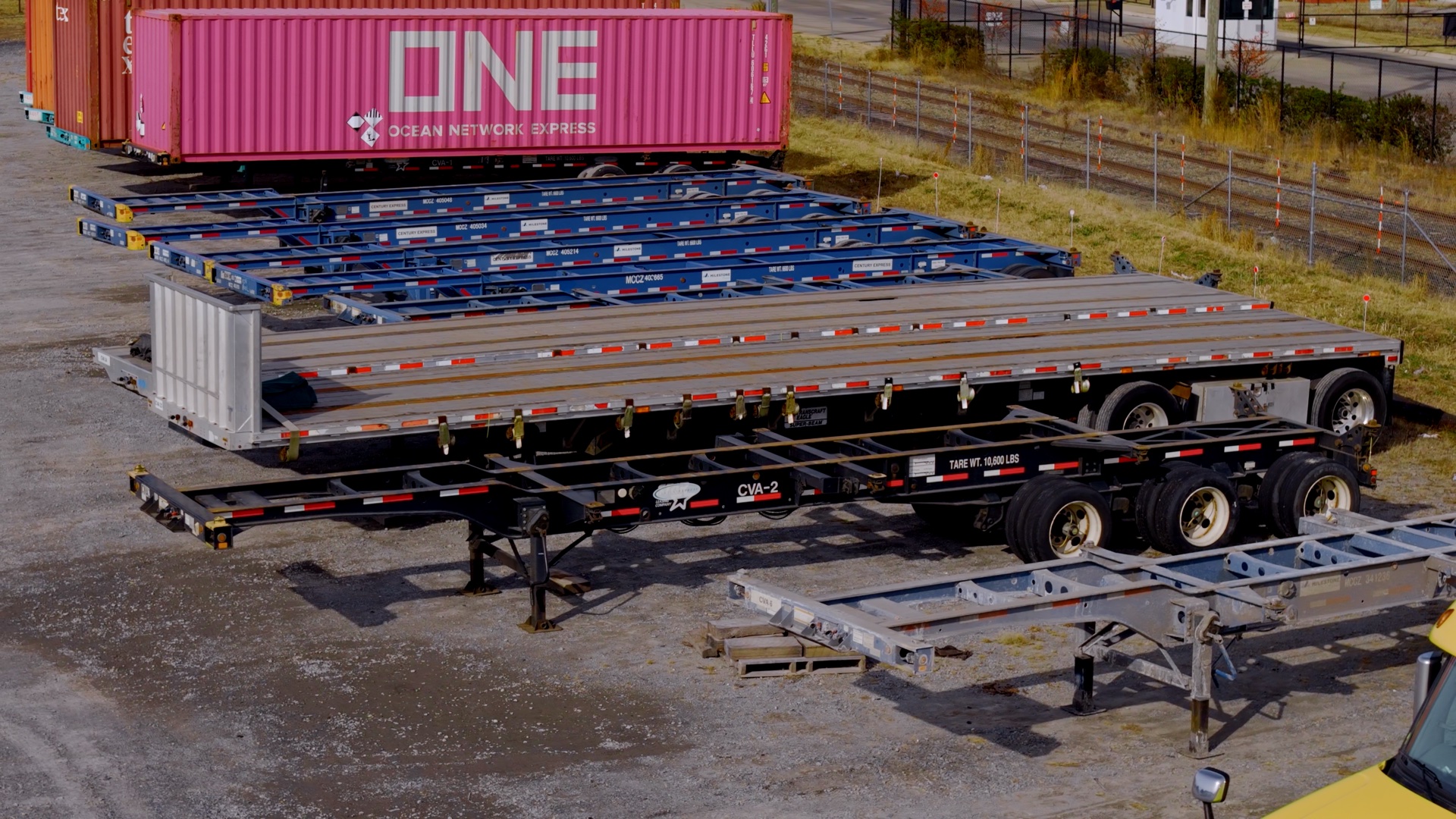
A Premier Drayage Carrier at the Port of Virginia
From planning to forecasting, Century Express Virginia is here to assist you with moving your freight through the Port of Virginia.
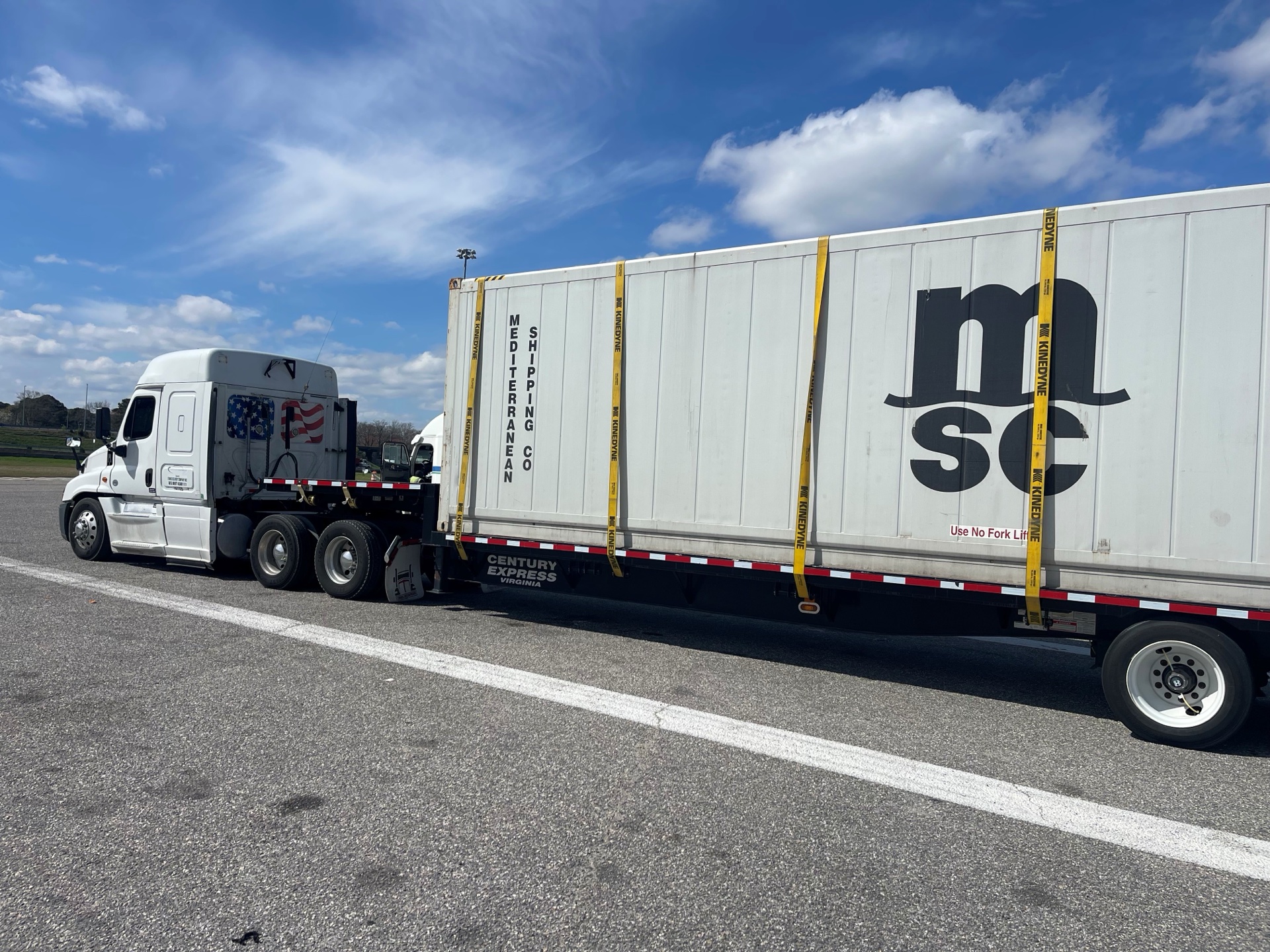
Trusted Carrier
Having your port drayage handled by a trusted carrier can make a difference not only in how quickly your freight moves, but also in your peace of mind throughout the entire shipping process. Our team ensures safety and speed every day.
Complete Coverage
Let Century Express Virginia handle all your container trucking needs within the Port of Virginia—from standard containers to refrigerated and hazmat cargo. We provide the comprehensive support your logistics strategy requires at all times.
Forecasting
From planning to forecasting, Century is here to assist you with moving your freight efficiently and on schedule. We work closely with your team to ensure every container reaches its destination without any delay or logistics disruption.
Our Full Range of Services
Beyond port drayage, we offer a comprehensive suite of transportation and logistics services.
Select a service to learn more:
Port Drayage
Standard container transport to and from marine terminals.
Rail Drayage
Container movement between rail yards and final destinations.
Heavy Cargo
Overweight permits and heavy haul logistics expertise.
Transloading
Efficient transfer of cargo between containers and trailers.
Refrigerated Drayage
Climate-controlled transport for temperature-sensitive cargo.
Hazmat Drayage
Certified handling of hazardous materials with full compliance.
Specialized Equipment
Flatbeds, step decks, and triaxles for non-standard loads.
Yard Storage
Secure container storage at our facility when you need flexibility.
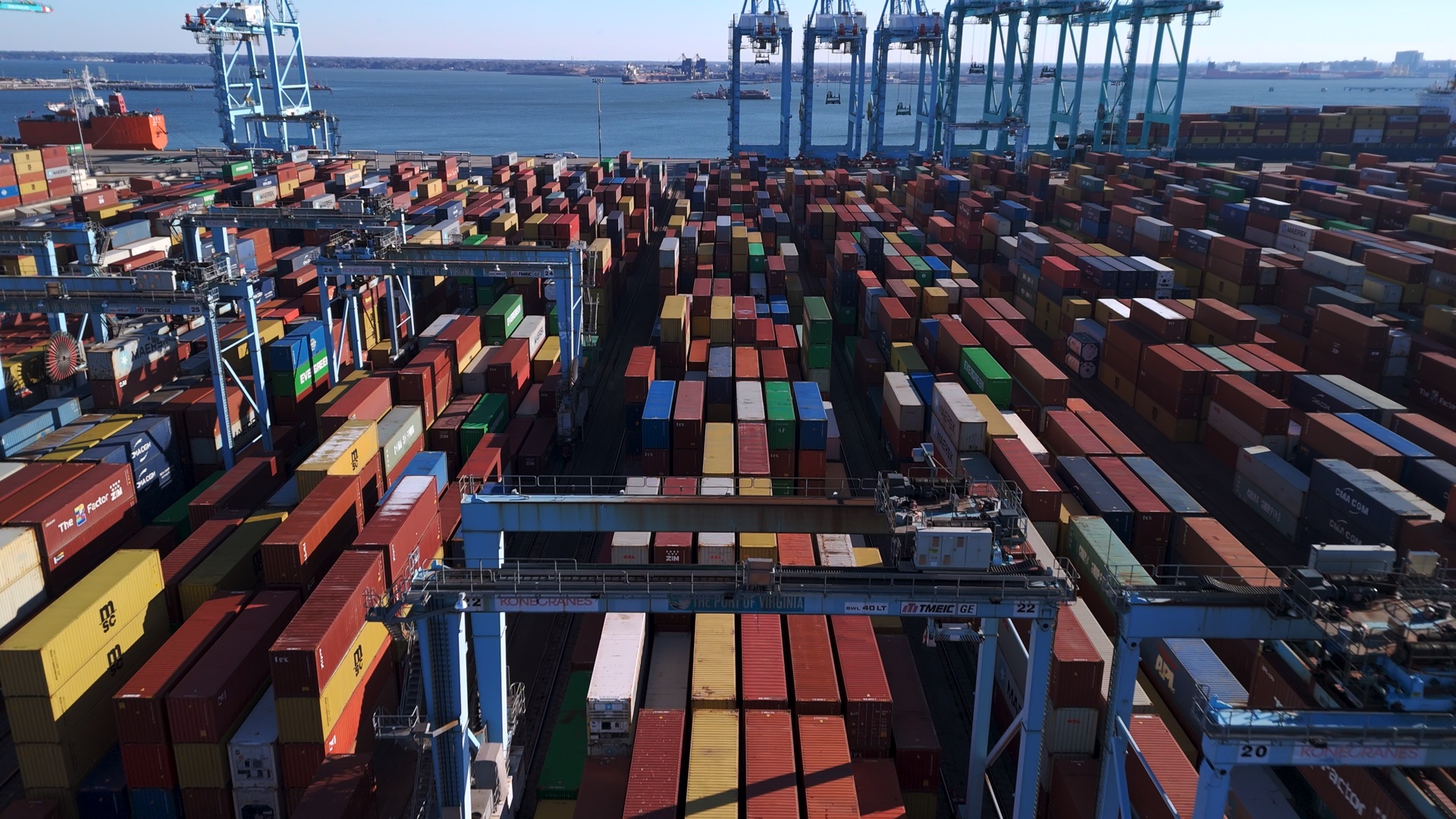
Why Choose Century Express Virginia
Experience, reliability, and a commitment to your success set us apart.
Terminal Relationships
Our twenty years of terminal rapport helps us resolve delays. We navigate the Port of Virginia with total ease.
Cargo Expertise
From consumer goods to heavy machinery, we handle it all. We use specialized equipment to keep your cargo safe.
Planning
We forecast volumes and plan for peak seasons. Our strategy ensures your supply chain always moves smoothly.
On-Time Delivery
We prioritize your schedule to ensure efficiency. Our commitment means your containers arrive exactly as planned.
Equipment & Capabilities
We maintain a diverse fleet to handle any container drayage need.
Triaxle Chassis
20' & 40' Containers
Flatbeds & Step Decks
Heavy Haul Capable
Refrigerated Units
Overweight Permits
Specialized Equipment FAQ
Everything you need to know about specialized equipment services.
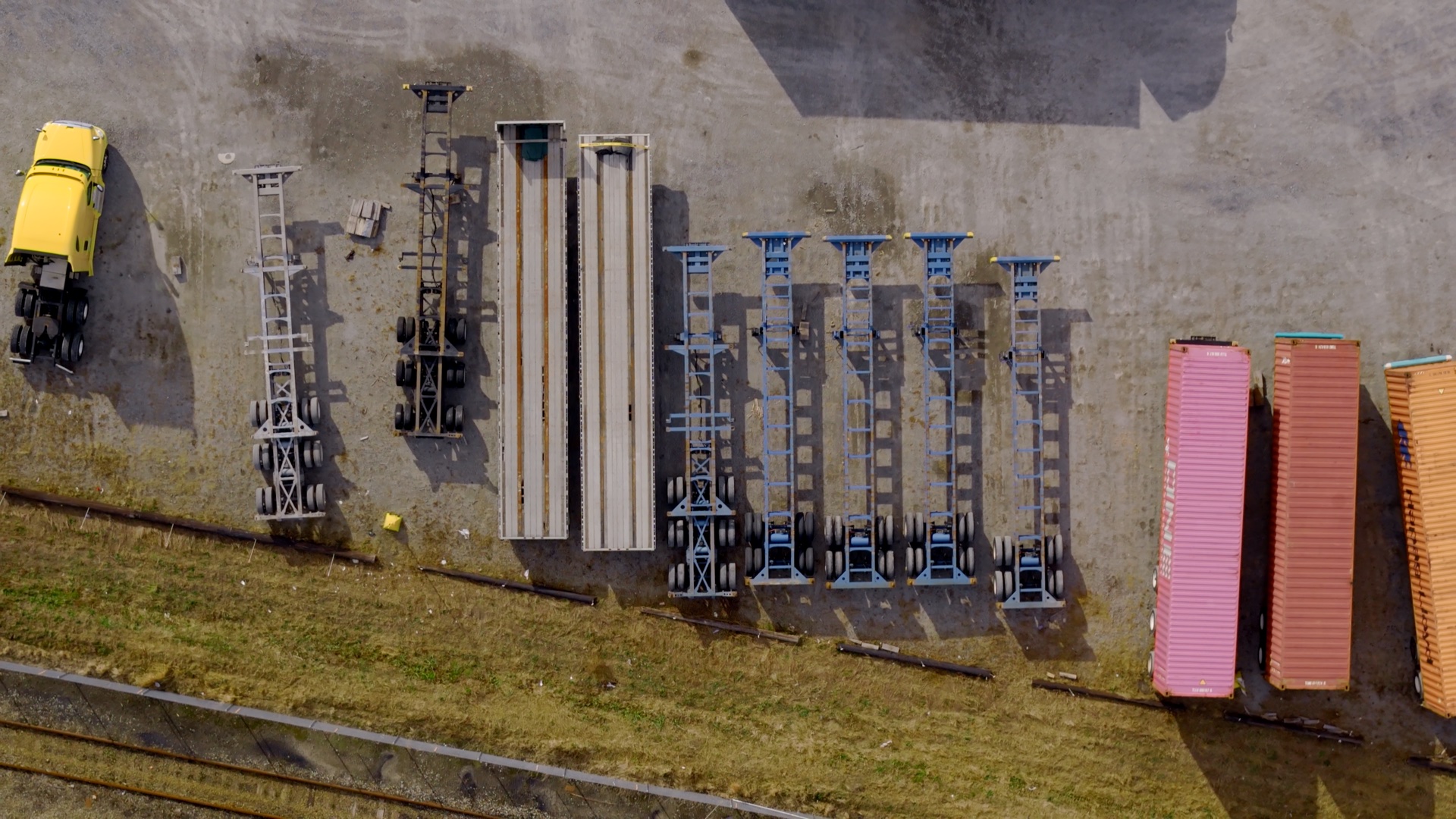
Why is Specialized Equipment Needed for Drayage Services?
Drayage involves the transportation of standardized shipping containers, which often require specialized equipment for improved handling. Specialized equipment used by drayage services includes but is not limited to, container chassis, intermodal trailers, reach stackers, and terminal tractors. This equipment offers height and weight capacities to accommodate heavily loaded containers while complying with safety regulations. Additionally, specialized equipment for drayage is compatible with port cranes and rail yard infrastructure to ensure seamless transportation of goo
What Type of Cargo Does a Triaxle Chassis Carry?
A triaxle chassis is a type of trailer or truck chassis equipped with three axles to increase load-bearing capacity and stability. Featuring a linear arrangement of three axles, the triaxle chassis effectively distributes cargo weight more evenly to prevent imbalance while transporting heavy loads.
Triaxle chassis guarantees safe and secure movement of:
• Heavy machinery
• Bulk construction materials (concrete blocks, steel beams)
• Oversized loads
• Trucks and other heavy vehicles
• Bulk cargo (gravel, sand, coal)
What is a 20/40 Triaxle?
The 20/40 triaxle chassis features three consecutive axles for enhanced weight distribution and accommodates 20-foot and 40-foot shipping containers. This chassis is ideal for intermodal transport and for moving heavier loads that need reinforced stability.
What are Intermodal Chassis?
An intermodal chassis is a wheeled structure that operates as a platform or base on which shipping containers can be moved over land. Its primary function is facilitating container movement between different transportation modes, such as trains, ships, and trucks.
Intermodal chassis are constructed from high-strength steel (HSS) to support standard container sizes, including 20-foot, 40-foot, and 45-foot containers. Some intermodal chassis can be adjusted to accommodate other container sizes.
Capable of withstanding 550 MPa of tensile strength, HSS offers reliable support for excessive weight (up to 75,000 pounds) compared to standard steel. Intermodal chassis types include extendable, fixed-length, and tank chassis for specialized cargo.
What Types of Cargo Can Be Transported on Flatbed Trailers?
Flatbed trailers are truck trailers with a flat, open deck unrestricted by a roof or sides. They also have a sturdy frame and tie-down points for securing various loads. Because they have no sides to obstruct container movement, flatbed trailers facilitate cargo loading and unloading using cranes, forklifts, and similar equipment.
Due to their open design, flatbed trucks can carry many types of cargo. They transport construction materials like steel beams and lumber, heavy machinery such as excavators, and bulk freight like steel coils and hay bales. In addition, flatbed trucks ensure secure loading and unloading processes for large or irregularly shaped materials.
What is the Difference Between a Flatbed and a Step Deck Trailer?
Also called drop deck trailers, step deck trailers feature a two-level deck that streamlines the transport of taller items and offers greater flexibility for accommodating contrasting load heights. A higher deck occupies the front and rear of the step deck trailer, while the lower deck is in the middle, giving the trailer its step-like appearance.
The lower deck’s proximity to the ground allows taller cargo to be transported without breaching height restrictions. Oversized or taller loads incompatible with a flatbed’s dimensions can be easily moved using a step-deck trailer.
The primary differences between a flatbed and step deck are:
• Deck height: flatbeds have one level. Step decks have an upper and lower deck
• Height capacity: step decks are better suited for taller loads than flatbeds
• Loading flexibility: step decks are more adaptable for ramps and forklifts compared to flatbeds
What Kind of Specialized Equipment is Used for Heavy Haul Services?
Heavy haul services transport oversized and overweight loads that exceed standard shipping dimensions and weight limits. Essential for moving heavy cargo that cannot be transported using regular freight methods, heavy haul services utilize specialized equipment to safely and affordably transport materials across short and long distances.
In addition to step deck, multi-axle, and lowboy trailers, heavy haul companies also use various support vehicles, such as pilot cars that follow or lead heavy haul trucks, to help
drivers navigate unexpected issues during the transportation process. Cranes, forklifts, winches, and chains ensure heavy items are smoothly loaded, unloaded, relocated, and secured during transport.
How is Wide Load Hauling Managed Across State Lines?
Transporting oversized or wide loads demands compliance with state-specific regulations, which means permits must be obtained for each state that wide loads are expected to traverse. In addition, compliance with Federal Highway Administration (FHA) laws is necessary for interstate hauls.
Precise route planning is also essential for streamlining the transportation of wide loads. Road conditions, bridge clearances, and weather forecasts are factors we consider when planning routes for hauling wide loads in the U.S.
What Kind of Specialized Equipment Helps Transport Perishable Goods?
Refrigerated trailers, commonly called reefers, are modified transport vehicles with temperature control systems that maintain a specific temperature range for perishable goods. Depending on cargo requirements, reefers can regulate temperature settings ranging from -20°F. to over 70°F. Heavily insulated walls and forced-air systems ensure refrigerated trailers keep goods cool or frozen at pre-set temperatures.
Reefers provide reliable transportation of perishable goods like meats, fruits, vegetables, and pharmaceutical products. They are essential to cold chain logistics for maintaining specific temperatures from the production of the goods to their final destination to preserve product safety and usability.
What Else Should I Know About Specialized Equipment for Transporting Cargo?
Relying on specialized equipment for cargo transportation significantly enhances logistics efficiency, ensures that perishables and hazardous materials are handled appropriately, and maximizes compliance with state and federal transportation regulations.
Get in Touch
Ready to move your cargo? Contact us or request a quote below.
Phone
(757) 494-9200
Office & Norfolk
810 Ford Dr, Norfolk, VA 23523
Portsmouth Yard
3228 West Norfolk Road Portsmouth, VA 23703