
What Is Drayage? A Guide for Port Shippers
Demurrage vs. Detention: What Port Shippers Need to Know
CE Dispatch
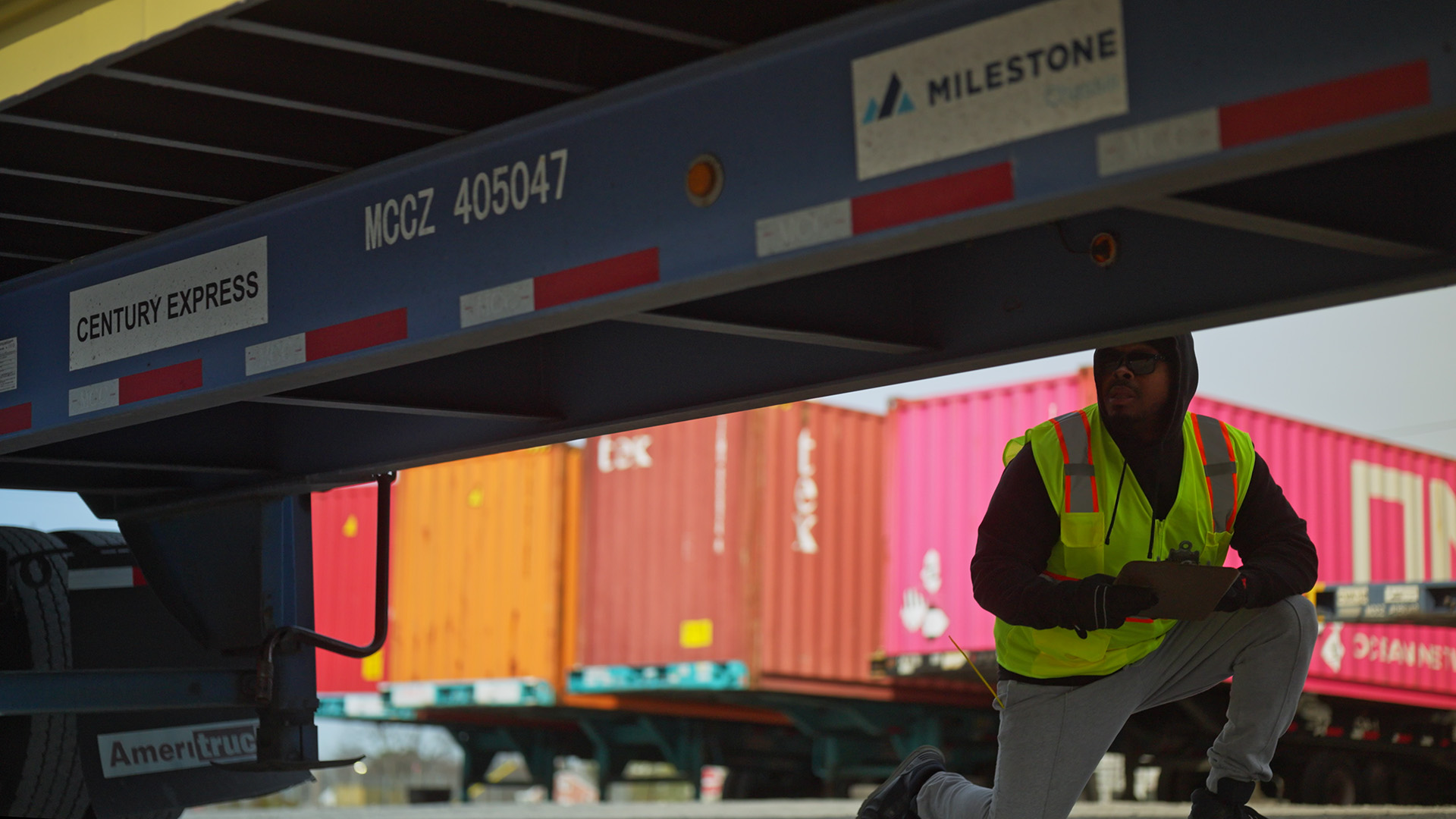
What Is Drayage? A Complete Guide for Port Shippers
If you have ever coordinated a container pickup at a marine terminal, worked with a 3PL on an import shipment, or reviewed a freight invoice and seen a line item labeled “drayage,” you already have a working relationship with this part of the supply chain. Drayage is the short-distance, overland transport of a shipping container, typically between a port or rail terminal and a nearby warehouse, distribution center, or importer facility. It is a narrow slice of the overall freight journey, but it is one of the most time-sensitive and operationally complex.
For importers and exporters moving cargo through the Port of Virginia, understanding what drayage means, how it works, and what it costs is essential to managing port logistics effectively. This guide breaks it all down.
What Is Drayage, Exactly?
Drayage refers to the movement of freight over a short distance, usually as part of a longer overall journey. In the port context, drayage is the leg that connects the marine terminal to the next point in the supply chain, whether that is a warehouse, a transloading facility, a cold storage site, or an importer’s dock.
The word itself is old. A “dray” was originally a low flatbed cart pulled by a horse, used to haul heavy goods short distances in port cities. The term survived into the trucking era, and today a drayage move is made by a tractor-trailer, typically operated by a carrier with specific authorization to work inside or adjacent to a marine terminal.
In practice, a standard port drayage move works like this: a vessel arrives at the terminal, containers are offloaded and staged in the yard, the consignee or their 3PL arranges for a drayman to pick up the container after it clears customs, and the drayman moves it to the delivery point. The time pressure is significant, because every day the container sits at the terminal past its free time, the shipper accrues demurrage fees.
If you want a deeper look at those costs, the guide to demurrage vs. detention covers how terminal free time works and how fees escalate.
How Does a Port Drayage Move Work?
A typical drayage move at a port like Norfolk International Terminal (NIT) or Virginia International Gateway (VIG) involves several coordinated steps. While the specific details vary by carrier, terminal, and cargo type, the general process follows a consistent pattern.
- Vessel discharge. The ocean carrier’s vessel arrives and containers are offloaded onto the terminal. The terminal management system updates container status, and the ocean carrier establishes a free time window, typically three to five business days, during which the shipper can arrange pickup without incurring demurrage charges.
- Customs clearance. Before a container can be picked up, it must receive a release from U.S. Customs and Border Protection. The importer or their customs broker files the necessary entry documentation. Delays in this step eat directly into free time.
- Pickup order. Once released, the importer or their 3PL contacts the drayage carrier with a pickup order. The carrier confirms availability, assigns a driver, and books a terminal appointment where required.
- Gate-in and container pickup. The driver arrives at the terminal gate with proper credentials and authorization documents. The terminal verifies the release, the driver picks up the container on a chassis and exits through the out-gate.
- Delivery. The container is transported to the designated delivery point. The driver may live-unload (wait while the container is emptied) or drop the container for later pickup. If the consignee cannot receive the container immediately, some shippers use a nearby yard storage facility to hold the container off-terminal and avoid additional demurrage accumulation.
- Empty return. Once the container is emptied, it must be returned to the ocean carrier’s designated depot or back to the terminal. The return must happen within the detention free time window to avoid additional charges.
Types of Drayage
Not all drayage moves are the same. The cargo type, origin or destination, and equipment required all determine which type of drayage service a shipper needs.
|
Type |
Origin / Destination |
Common Use |
Century Express Virginia Service |
|
Port Drayage |
Marine terminal to warehouse, distribution center, or importer facility |
Import/export containers at NIT and VIG |
Core service — available 7 days a week |
|
Rail Drayage |
Intermodal rail yard to/from port or final destination |
Inland moves connecting rail to ocean freight |
Rail drayage from Hampton Roads intermodal facilities |
|
Refrigerated Drayage |
Port terminal to cold storage or temperature-controlled facility |
Perishable imports, pharmaceuticals, food and beverage |
Specialize in handling refrigerated freight |
|
Hazmat Drayage |
Port terminal to licensed hazmat facility or storage site |
Chemicals, flammables, regulated cargo |
FMCSA-compliant hazmat-certified drivers and equipment |
Each type requires specific driver expertise, equipment, and in some cases, special permits. A carrier that handles standard dry containers may not be authorized to move hazmat cargo, and a reefer move requires both the right trailer and a driver trained to monitor temperature settings in transit.
What Does a Drayage Fee Cover?
A drayage fee is the charge assessed by the carrier for completing the move. It typically covers the driver’s time, fuel, and the use of the carrier’s equipment. For port drayage specifically, the fee structure often includes several line items beyond the base rate.
- Base drayage rate. The core charge for the move itself, calculated by distance, container size (20-foot vs. 40-foot), and weight.
- Fuel surcharge. A variable surcharge tied to current diesel prices, adjusted periodically by the carrier.
- Chassis fee. If the carrier provides the chassis to transport the container, a daily chassis rental fee typically applies.
- Overweight or permit fees. Containers that exceed standard weight limits require special permits and may need a different chassis or axle configuration. Carriers with blanket overweight permits in Virginia and surrounding states can often handle these moves more efficiently than those without.
Understanding the full fee structure before booking a move helps shippers compare carriers accurately and avoid invoice surprises. A low base rate that does not include chassis fees or fuel surcharges is not always the better value.
How Is Drayage Different From Other Types of Freight?
Drayage is frequently confused with other freight services because it involves a truck and a container, just like a truckload move. The distinction is in the scope and context of the move.
A full truckload (FTL) move is a point-to-point shipment from shipper to consignee, typically over a long distance. The carrier is responsible for the entire journey. Drayage is a component move — it handles only one leg of a longer intermodal journey, and the carrier’s role ends when the container reaches the next handoff point.
Less-than-truckload (LTL) shipping consolidates multiple shippers’ freight into a single trailer. Drayage moves full containers and does not consolidate cargo in transit.
Intermodal shipping describes a freight move that uses more than one mode of transportation, such as ocean vessel plus truck, or rail plus truck. Drayage is the trucking component that makes intermodal moves possible. Without drayage, containers arriving by ship have no way to complete the final leg to their destination. The same is true for containers moving through inland rail yards.
For a closer look at how containers move between rail and port, the guide to rail freight transportation explains how intermodal rail connects to port drayage in practice.
What to Look for in a Drayage Carrier
Not every trucking company that can move a container qualifies as a capable drayage partner. Port drayage requires specific credentials, terminal relationships, and operational capacity that general freight carriers do not always have.
- Terminal authorization. Carriers must be registered and authorized with the specific terminal. At NIT and VIG, this means meeting the terminal’s operational and credentialing requirements. A carrier without this authorization cannot pick up a container, regardless of how available their drivers are.
- UIIA membership. The Uniform Intermodal Interchange and Facilities Access Agreement governs how motor carriers interact with intermodal equipment providers. Carriers operating under the UIIA have met a standardized set of operational and insurance requirements.
- Hazmat certification if applicable. If your cargo includes any regulated hazardous materials, the carrier must have FMCSA-compliant hazmat authority and trained drivers. This is not optional, and it is not something a standard carrier can obtain quickly.
- Equipment availability and condition. Container moves require specific chassis types depending on container size and weight. A carrier with a diverse equipment inventory, including 20-foot, 40-foot, and triaxle chassis, can handle more cargo profiles without subcontracting.
- Driver continuity and stability. High driver turnover at a drayage company creates scheduling risk for shippers. Carriers with low turnover rates have more experienced drivers who know the terminals, the gate procedures, and the timing required to avoid demurrage.
- Availability. Drayage windows can be narrow, especially when a container is approaching its last free day. A carrier that operates seven days a week and is reachable after hours can respond when the timeline demands it.
Port Drayage at the Port of Virginia
Century Express Virginia has operated as a port-based drayage carrier at NIT and VIG since 2007. The company’s team includes professionals with backgrounds in ocean carrier operations, customs brokerage, and domestic and international transportation. That experience translates directly into the kind of operational awareness that prevents demurrage charges, handles weight permit requirements before they become problems, and keeps communication clear throughout the move.
The full range of drayage services includes port drayage, rail drayage, refrigerated drayage, and hazmat drayage. For cargo that needs to move off-terminal before a delivery point is ready, yard storage is available at facilities in Norfolk and Portsmouth. For shippers evaluating whether to strip and reuse a container or transfer freight to a domestic trailer, transloading is also available.
From planning and forecasting to last-minute pickups, Century Express Virginia is here to assist you. If given the opportunity, we will exceed your expectation.
Contact the Century Express Virginia team today to discuss your drayage needs at the Port of Virginia. We are accessible seven days a week at (757) 494-9200, or reach out through the contact page.