
Demurrage vs. Detention: What Port Shippers Need to Know
Transloading vs. Cross-Docking: A Shipper’s Decision Guide
What Is Drayage? A Guide for Port Shippers
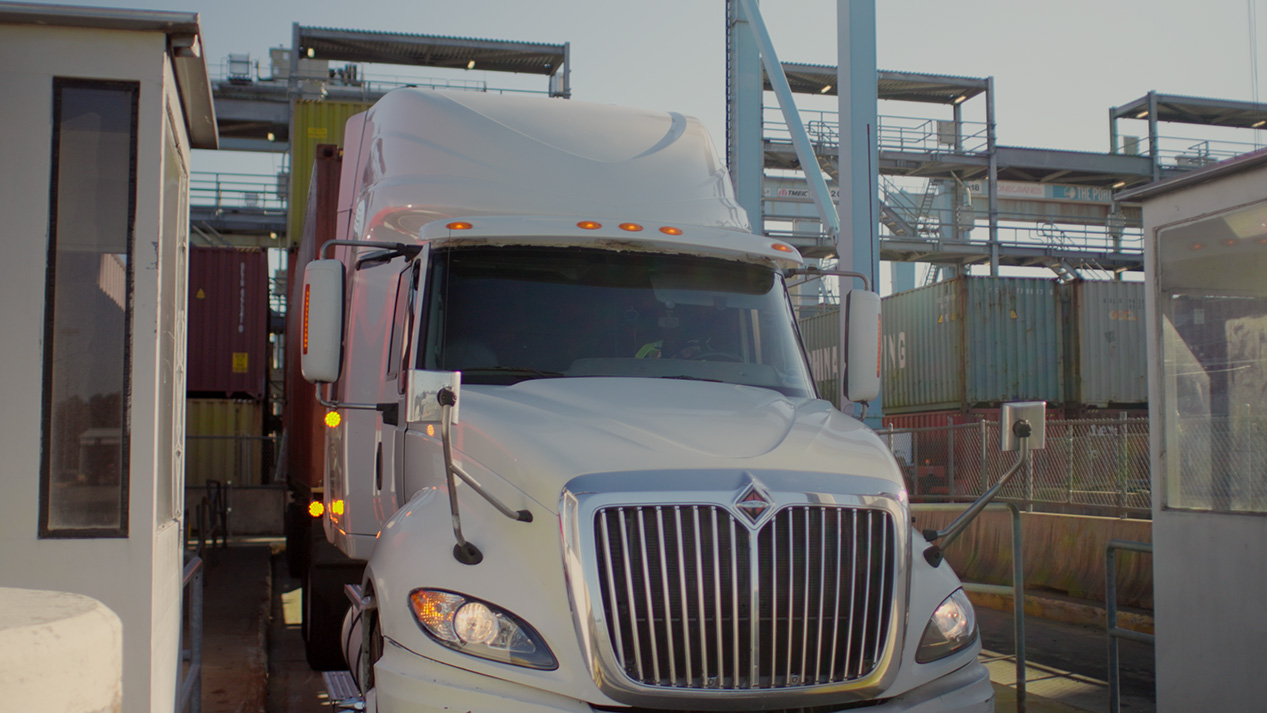
Few things derail a smooth port pickup faster than an unexpected charge on a carrier invoice. Demurrage and detention are two of the most common fees shippers encounter at the Port of Virginia, yet the difference between them is frequently misunderstood. Getting them confused is more than a terminology problem. Acting on the wrong assumption can cost your company hundreds or even thousands of dollars per container in fees that were preventable.
Understanding how demurrage and detention work, why they accrue, and how experienced port drayage partners help you avoid them is essential for any importer, beneficial cargo owner, or 3PL moving freight through Hampton Roads.
What Is Port Demurrage?
Port demurrage is a fee charged when a container remains inside a marine terminal past its allotted free time. At the Port of Virginia’s two primary facilities, Norfolk International Terminal (NIT) and Virginia International Gateway (VIG), each ocean carrier establishes a free time window, typically three to five business days from the vessel discharge date.
Once that window closes, the terminal or ocean carrier begins charging a demurrage fee on a per-container, per-day basis. Rates vary by carrier and container size but can escalate significantly the longer a container sits unpicked. A container that sits unclaimed for a week past its free time can generate fees that rival the cost of the cargo itself.
The demurrage clock is running whether your container has been released by customs or not. Delays in documentation, holds, or slow customs examination all eat into free time, and the charges begin regardless of the reason for the delay.
What Is Container Detention?
Container detention is related but distinct. Where demurrage measures how long a container sits inside the terminal, detention measures how long a container spends outside the terminal in the hands of the shipper or trucking company.
Once a container is picked up by a drayman and the chassis leaves the gate, a separate free time window begins. The clock runs until the empty container is returned to the designated depot or terminal. If the return happens after the allowed window, the ocean carrier charges a detention fee, again assessed per container, per day.
For shippers who need to hold a container at a warehouse while product is unloaded or inspected, detention adds up quickly. The same applies when a receiving location has limited dock availability and turns take longer than planned. The container is still in someone’s possession, and the carrier is still charging for that time.
Demurrage vs. Detention: The Key Differences
The simplest way to separate the two: demurrage is about where the container is sitting (inside the terminal), and detention is about how long the container is in your hands after you pick it up.
|
|
|
|
|
What triggers it? |
Container stays inside the terminal past free time |
Container leaves the terminal but isn’t returned on time |
|
Who charges it? |
The ocean carrier or terminal |
The ocean carrier or equipment provider |
|
What is the asset? |
The terminal slot / gate space |
The chassis or container itself |
|
Free time window |
Typically 3 to 5 business days (varies by carrier/terminal) |
Typically 3 to 5 business days after pickup |
|
How fees accrue |
Per container, per day |
Per container, per day |
|
Who pays? |
The importer or BCO |
The importer, BCO, or trucking company |
Both fees share one trait: they compound daily. A container that generates demurrage for four days and then detention for three days after pickup has two separate charge streams running, and they are often billed by different parties.
What Is Per Diem, and How Does It Fit In?
Per diem is a term used interchangeably with detention in many contexts, but there is a technical distinction. Per diem specifically refers to daily charges assessed by a chassis provider and/or ocean carrier for the use of equipment beyond its allotted free time.
What Does LFD Mean in Shipping?
LFD stands for Last Free Day. It is the final day a container can remain at the terminal, or in the hands of a carrier, before fees begin to accrue. LFD is the single most important date in managing demurrage and detention costs.
At the Port of Virginia, LFD is assigned by the ocean carrier at the time of vessel arrival. It appears in the carrier’s online cargo tracking system and in most terminal management portals. Your drayman should verify the LFD on every container before scheduling a pickup, and again if there are any delays between booking and actual dispatch.
Missing an LFD by a single day can mean a full day of demurrage charges. Missing it over a weekend means three days of charges with no ability to intervene until Monday. That is why drayage companies with 24/7 availability and strong terminal relationships have a meaningful advantage in protecting shippers from unnecessary fees.
How to Avoid Demurrage and Detention Charges at the Port of Virginia
Avoiding these fees is entirely possible with the right practices in place. The following steps make the biggest difference:
- Track your LFD from the moment the vessel arrives, not from when your freight is released. These are different dates and treating them as the same is a common and costly mistake.
- Work with a drayage partner who monitors terminal availability in real time. Gate congestion, chassis shortages, and system outages at NIT and VIG can all compress the time available for a same-day pickup. An experienced drayman anticipates these conditions rather than reacting to them.
- Use container yard storage strategically. If your receiving location cannot accept a delivery immediately after port pickup, moving the container to a nearby secure yard resets the detention clock and removes the container from terminal demurrage liability. This is one of the most practical and underused tools for fee avoidance in the Hampton Roads market.
- Coordinate your customs documentation well in advance. Customs holds are one of the leading causes of demurrage accumulation. Submitting accurate ISF and entry documentation early, and monitoring exam status daily, protects your free time.
- If you are moving freight through an intermodal move, clarify when rail drayage to or from the terminal is scheduled relative to the free time window. Rail drayage pickups at inland facilities operate on their own LFD schedule, which is separate from the ocean terminal’s clock.
- For cargo that requires inspection before delivery, such as temperature-sensitive imports or regulated commodities, consider the time needed and whether transloading to a domestic trailer makes more sense than holding the container. This can eliminate detention exposure entirely once the cargo is transferred.
Working With a Port-Based Drayage Partner Who Understands the Timelines
Century Express Virginia has operated from the Port of Virginia since 2007. The team includes professionals with backgrounds in ocean carrier operations, customs brokerage, and domestic and international transportation. That breadth of experience means the company understands how every party in the chain, from the terminal to the ocean carrier to the chassis provider, runs their LFD and fee calculations.
Being accessible seven days a week matters when a container is approaching its LFD on a Friday afternoon and the only way to avoid weekend demurrage is a same-day dispatch. Century Express Virginia’s driver network and dual yard facilities in Norfolk and Portsmouth give shippers the flexibility to act quickly when timing is tight.
From planning and forecasting to last-minute pickups, Century Express Virginia is here to assist you. Managing your demurrage and detention exposure is part of every drayage move the team handles, not an afterthought. To learn more about the Port of Virginia’s terminal operations and how the right drayage partner fits into your supply chain strategy, visit the glossary or explore the full range of drayage services on the Century Express Virginia website.
Contact the Century Express Virginia team today to discuss how to protect your next shipment from preventable port fees. Reach the team at (757) 494-9200 or visit the contact page to get started.